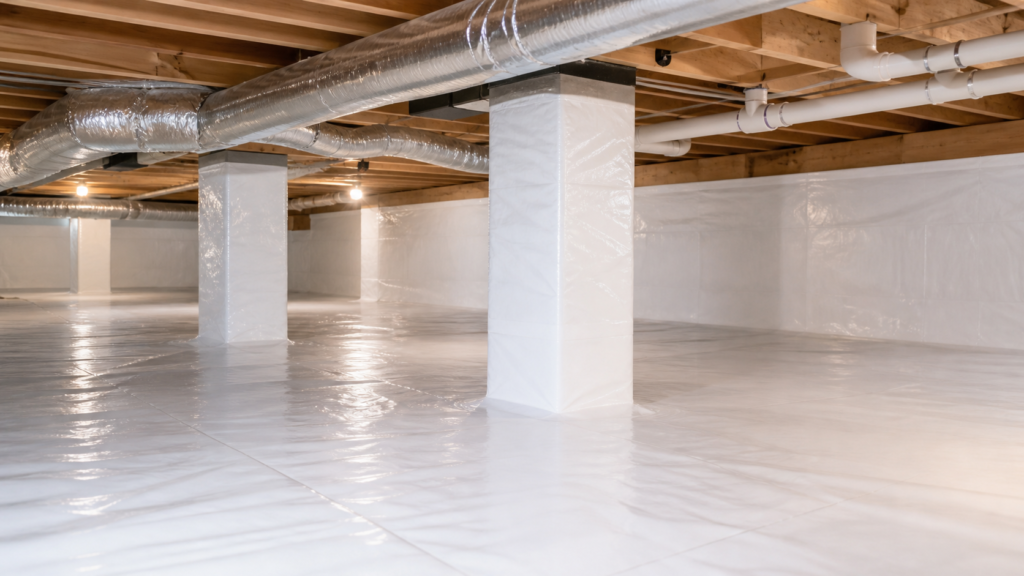

Crawl Space Encapsulation in Knoxville, TN
Crawl Space Encapsulation in Knoxville, TN
Volunteer Crawlspace Co. helps Knoxville-area homeowners address damp, musty, or water-prone crawl spaces through inspection-led encapsulation, moisture control, drainage planning, insulation work, and related repairs.
- Detailed Crawl Space Inspections
- Moisture and Drainage Solutions
- Service Across Knoxville and Nearby Areas
Crawl Space Services Built to Reduce Moisture Issues
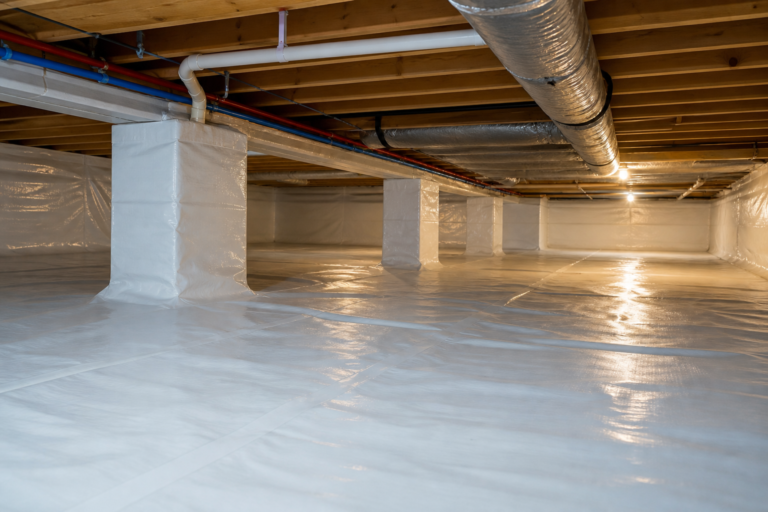
Crawl Space Encapsulation
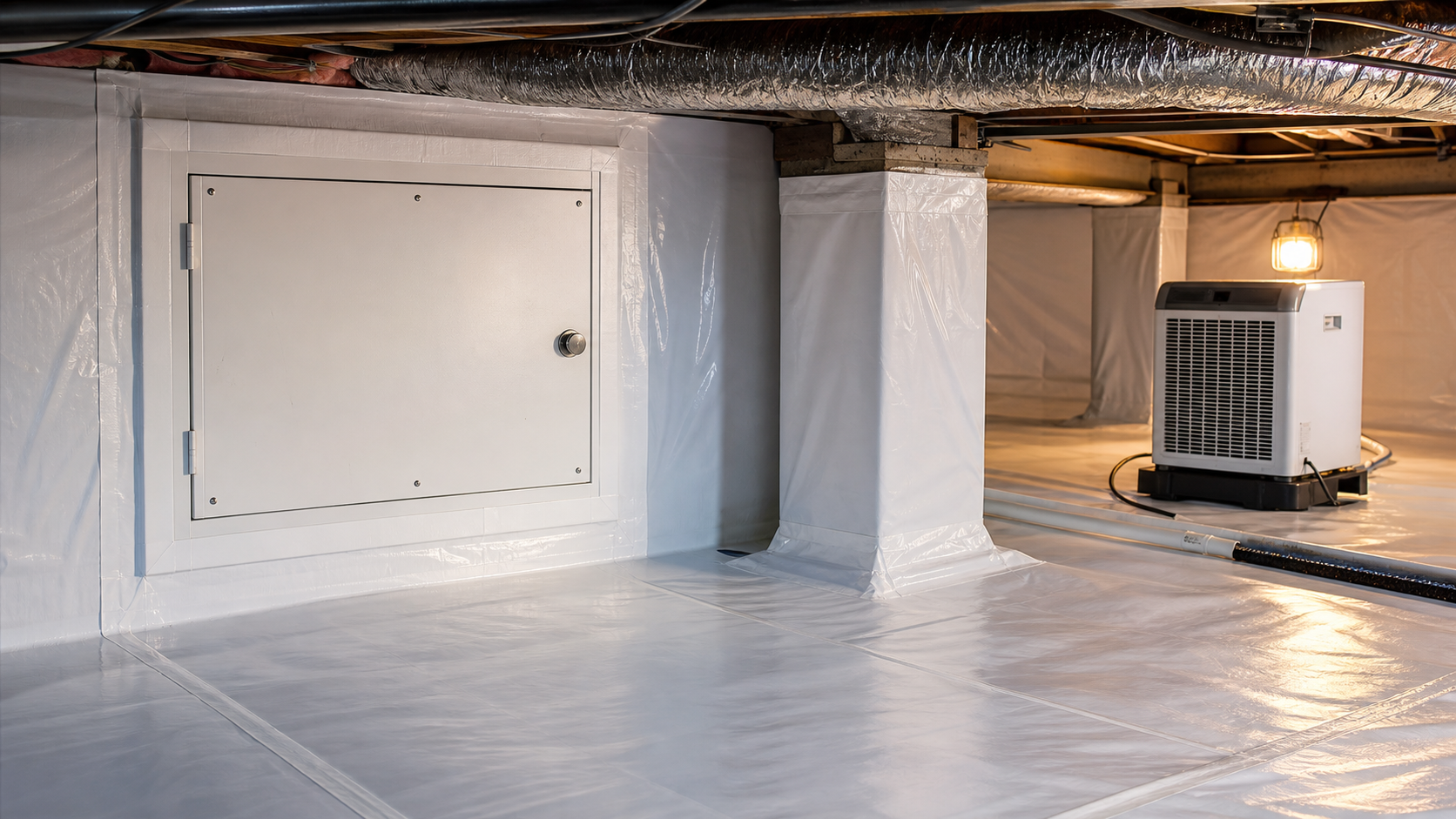
Crawl space encapsulation in Knoxville, TN with vapor barrier installation, air sealing, drainage planning, insulation review, and dehumidifier-ready moisture control.
Learn More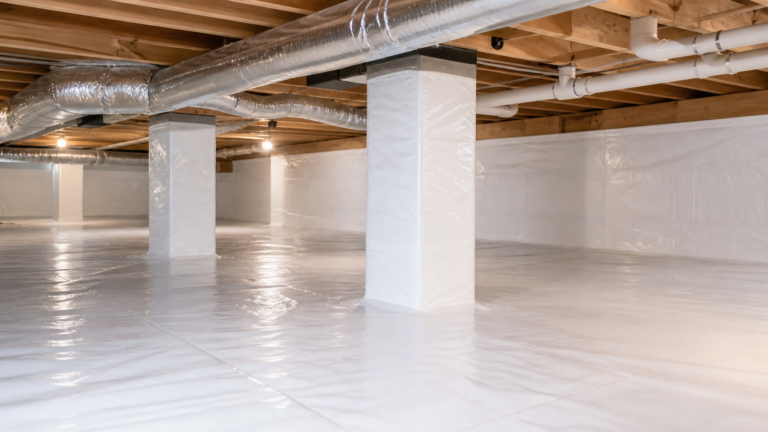
Vapor Barrier Installation
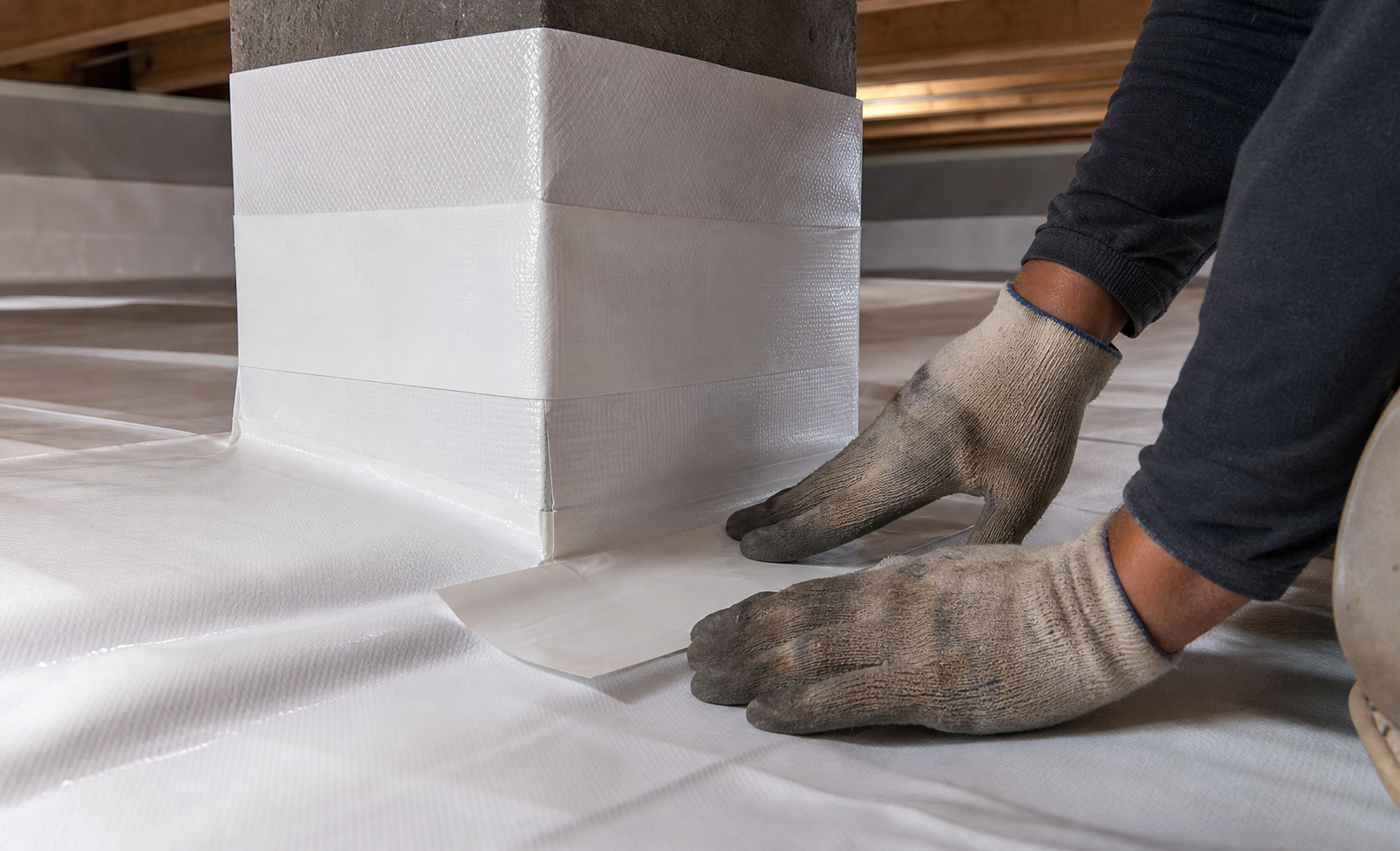
Crawl space vapor barrier installation in Knoxville, TN with liner selection, seam sealing, wall attachment, pier wrapping, and moisture-source review.
Learn More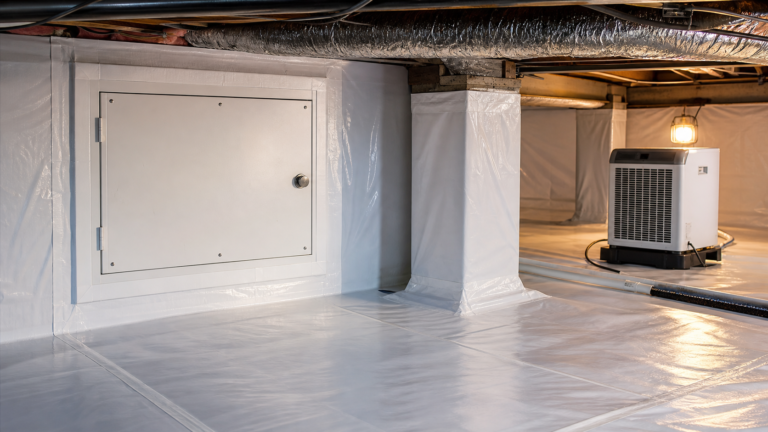
Crawl Space Drainage and Waterproofing
Crawl space drainage and waterproofing planning in Knoxville, TN for standing water, foundation seepage, runoff, and wet soil before encapsulation.
Learn More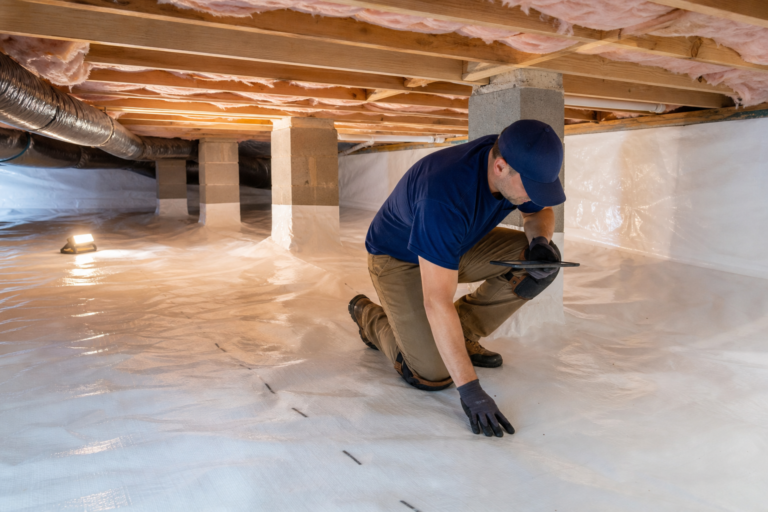
Crawl Space Repair
Crawl space repair review in Knoxville, TN for soft floors, damaged joists, piers, moisture damage, foundation concerns, insulation issues, and repair sequencing before encapsulation.
Learn More
Crawl Space Dehumidifier and Humidity Control
Crawl space dehumidifier and humidity control planning in Knoxville, TN for sealed crawl spaces, musty odors, vented humidity, condensation, and moisture control.
Learn More
Crawl Space Insulation
Crawl space insulation review and replacement planning in Knoxville, TN for wet insulation, sagging batts, odors, subfloor moisture, duct areas, and encapsulation-ready conditions.
Learn More
Crawl Space Inspection
Crawl space inspection in Knoxville, TN for moisture sources, drainage, vapor barrier condition, insulation, joists, piers, vents, photos, and repair sequencing.
Learn MoreKnoxville Crawl Space Guidance
Crawlspace Encapsulation Built Around the Conditions Under Your Home
Crawl space encapsulation is a moisture-control system for the area beneath a home. Volunteer Crawlspace Co. serves Knoxville, TN with an inspection-led process that connects each visible condition to the appropriate material, drainage, sealing, humidity-control, insulation, or repair step.
Benefits and warning signs for Knoxville homes
Warm, humid periods and heavy rain in Tennessee can contribute to crawl space moisture below homes. Warning signs include damp soil, condensation, musty odors, mildew, visible mold growth, wet insulation, wood staining, soft floors, or water marks. A correctly scoped system can reduce ground vapor and outside-air exchange, support steadier humidity levels, and create a cleaner environment for inspection and maintenance. Those benefits can help protect floor joists, wood framing, foundation walls, indoor air quality, comfort, and energy efficiency.
East Tennessee topography can change the inspection sequence. On a sloped or wooded Knoxville-area lot, roof runoff, concentrated downspout discharge, leaf buildup, and shaded soil should be traced from the exterior toward accessible foundation walls. Clay-rich ground and humid valley air may keep moisture near the enclosure after surface water is no longer visible, so drainage, drying, sealing, and dehumidification should be scoped in that order.
Materials used in an encapsulation system
Common components include reinforced polyethylene vapor barriers or liners over exposed soil, compatible seam tape or sealant, attachment at foundation walls and piers, and detailing around plumbing or utility penetrations. A written proposal should state the liner material and thickness, areas covered, wall and pier method, and how the access door is treated. Crawl space vents may be sealed because encapsulation and traditional ventilation manage outside air differently. Where bulk water is present, drainage or waterproofing work should come before the liner. A crawl space dehumidifier can then help manage active humidity in a sealed space.
Vapor barrier installation or full encapsulation?
A ground vapor barrier covers exposed soil to reduce ground moisture. A full crawl space encapsulation system typically extends the reinforced liner to foundation walls and piers, seals seams and penetrations, addresses the access door and crawl space vents, and pairs the enclosure with drainage or active humidity control when the inspection supports those options. The right solution depends on water intrusion, air leaks, moisture levels, insulation, and the condition of the house—not on a one-size-fits-all product package.
How inspection and service selection work
An inspection should identify whether the main source is ground vapor, humid outside air, plumbing leakage, rain runoff, foundation seepage, or another visible condition. The review also checks liner condition, debris, insulation, vents, floor framing, piers, and accessible drainage paths. This keeps crawl space repair, insulation, vapor control, and water-management recommendations in the right sequence.
Ground moisture, drainage systems, and foundation conditions
A dirt-floor crawl space can receive moisture from soil, humid air, roof runoff, groundwater, plumbing leaks, or open crawl space doors and vents. Standing water and persistent seepage may require a drainage system or exterior water-management correction before plastic liner material is installed. The inspection should also document visible foundation-wall cracks, settlement signs, damaged piers, joists, subfloor areas, and pest-entry gaps. Those findings help separate encapsulation work from structural, plumbing, pest-control, or foundation-repair questions that may need a different qualified professional.
How inspection findings shape the service scope
Different conditions point to different next steps. Exposed soil and ground vapor may support a vapor barrier or encapsulation recommendation. Recurring bulk water calls for drainage and water-entry correction before liner work. High humidity in an otherwise sealed crawl space may call for a crawl space dehumidifier. Wet insulation, damaged floor joists, soft subfloor areas, visible mold growth, plumbing leaks, pest activity, or foundation movement should be documented separately. That evaluation defines the extent of the job and shows whether the structure beneath the house needs attention before moisture-control work begins. The written estimate should distinguish encapsulation from insulation replacement, crawl space repair, mold remediation, plumbing, pest-control, or structural services.
Choosing a crawl space contractor in Knoxville
Encapsulation cost depends on the accessible size and layout, exposed soil, wall and pier detailing, liner condition, water entry, and whether insulation, wood repair, drainage, or dehumidification is included. Ask each crawl space contractor for a written estimate or quote that explains the inspection findings, proposed system, material options, liner specification, coverage, drainage scope, dehumidifier plan, installation sequence, exclusions, expected schedule, warranty terms, and maintenance access. The business should also explain who handles permit or local-code questions when they apply. A contractor should also separate encapsulation work from any structural, plumbing, pest, or remediation scope. Clear project details give homeowners a better basis for comparing contractors than price alone.
Installation, prevention, and maintenance
After installation, the finished system should remain accessible for inspection. A practical maintenance plan is to check accessible liner seams, wall attachments, the access door, drainage paths, and humidity readings during routine home maintenance and after unusually heavy rain. Homeowners should watch for new water, changing humidity levels, persistent smells, torn liner material, open vents or access gaps, pests, and changes in insulation or wood condition. Monitoring helps catch a new moisture source before it causes broader water damage, wood rot, or avoidable heating and cooling losses. Encapsulation may support comfort and energy efficiency, but changes in energy bills depend on the entire building enclosure and HVAC system. It also does not replace mold remediation, termite treatment, plumbing repair, basement waterproofing, or structural foundation repair when those separate services are required. Material durability and warranty coverage should be confirmed in the written project documents.
Requesting a quote and understanding project timing
Homeowners can call 865-459-7675 or use the inspection request form to describe the crawl space problem and request a written quote. The installation timeline depends on access, crawl space size, bulk-water correction, drying needs, liner and sealing details, crawl space waterproofing, insulation work, wood repairs, and dehumidifier installation. The proposal should identify expected scheduling, site preparation, the work sequence, and any follow-up inspection or maintenance steps. This turns the inspection into a property-specific crawl space solution instead of assuming the same duration, materials, or job scope for every home.
Build the Knoxville crawl-space plan around the moisture source
Warm, humid periods and heavy rain can reveal more than one condition beneath an East Tennessee home. A useful inspection distinguishes moisture rising from exposed soil, outside air entering through openings, liquid water following a recurring path, a plumbing leak, wet insulation, and visible material damage. Those findings should lead to a defined scope—not an assumption that every crawl space needs the same package.
A written proposal should identify the accessible areas inspected and the floor, wall, pier, seam, penetration, vent, access-door, drainage, electrical, insulation, and equipment details that are included. It should also name removal, drying, repair, or specialist work that must happen first.
- Which observed condition is each line item intended to address?
- Is the proposal for a floor vapor barrier or a more complete encapsulation system?
- Does water management come before liner installation?
- Are dehumidification, insulation, and repair separate decisions?
- How will the finished space remain available for inspection and maintenance?
Compare encapsulation, vapor-barrier installation, and drainage and waterproofing by their function and boundaries.
What follows a Knoxville crawl-space inspection?
The next step is a written sequence that separates immediate water or safety concerns from preparation, liner installation, humidity control, insulation, accessible crawl-space repair, and later checks. Volunteer does not offer mold remediation, pest control, basement waterproofing, foundation repair, or sump-pump installation; observations in those areas are boundaries for referral, not extra service claims.
Call Volunteer Crawlspace Co. at 865-459-7675 or use the request form to schedule an inspection for a Knoxville-area home.
Knoxville crawl-space service planning ranges
These 2026 ranges provide a starting budget, not a Volunteer price list. The inspection, measurements, access, preparation, materials, and written inclusions determine the property-specific estimate.
- Full crawl-space encapsulation: $4,000–$12,000
- Vapor-barrier installation: $1,250–$3,000
- Drainage and waterproofing: $1,250–$3,500
- Crawl-space repair: $1,500–$8,000+; complex structural work may be higher and require a specialist
- Dehumidifier and humidity control: $1,100–$3,300
- Crawl-space insulation: $750–$3,500
- Crawl-space inspection: $100–$400; estimate visits may be priced differently
See the complete Knoxville crawl-space cost guide for scope factors and comparison questions. No sump-pump price is included because Volunteer does not list sump-pump installation as a service.
How much does crawl space encapsulation cost in Knoxville?
A reasonable 2026 planning range is $4,000–$12,000. Crawl-space size, clearance, existing materials, water entry, liner coverage, drainage, dehumidification, insulation, and repair needs can move a written estimate within or beyond that range.
Knoxville-area crawl space service
We serve Knoxville and nearby communities including Alcoa, Clinton, Corryton, Farragut, Halls Crossroads. Start with an inspection to discuss crawl space encapsulation, moisture prevention, and the related crawl space services that fit the visible conditions beneath your home. Across Knox County, Blount County, Anderson County, and nearby East Tennessee communities, the inspection can account for sloped grades, roof runoff, shaded areas, foundation-wall seepage, HVAC ducts, plumbing pipes, and access limits when those conditions are present. The goal is a practical moisture-control solution that supports long-term protection of the liner, insulation, floor system, and other accessible building materials without treating every crawl space problem as the same project.

About Volunteer Crawlspace Co.
Practical Solutions for Crawl Space Problems
Volunteer Crawlspace Co. provides crawl-space encapsulation and moisture-control services for homeowners in Knoxville, Tennessee. An accessible inspection separates ground vapor, humid air, water entry, insulation condition, and visible repair concerns before a written scope is prepared.
Call 865-459-7675, review the crawl-space inspection service, or use the site form to schedule the next step.
Our Service Standard
How We Approach Each Project
Every section of the site is designed to help visitors quickly understand the service, the process, and the areas we cover.
Start With A Thorough Inspection
We look for moisture sources, drainage concerns, and signs of damage before recommending any work.
Build The Right Crawl Space System
We install the materials and equipment that fit the condition of the crawl space, including barriers, sealing, dehumidifiers, and repair solutions.
Keep The Process Clear
We explain what needs attention, what will be installed, and what the finished crawl space should accomplish.
Service Areas
Serving Knoxville and Surrounding Communities
Volunteer Crawlspace Co. serves Knoxville and nearby communities throughout Knox County, Blount County, Anderson County, and nearby East Tennessee communities with crawl space encapsulation, moisture control, repairs, insulation, waterproofing, and dehumidifier-ready humidity control.
Get Started
Talk With a Crawl Space Specialist
Share what you have noticed in your crawl space, and we will help you understand the next best step for moisture control, repairs, or encapsulation work.